What Happens During A Pallet Racking Audit? A Guide For QLC Warehouse & Facility Managers
Australian Asset Compliance • October 1, 2026
A pallet racking audit is a formal inspection that checks your racking for structural damage, missing components, loading issues and other safety concerns. For Queensland warehouse managers, it provides something a routine walk-around cannot: a documented assessment showing what is safe, what needs monitoring and what requires corrective action.
Australian Asset Compliance provides pallet racking inspections across Queensland, including Brisbane and regional areas, helping facility managers understand the condition of their racking and what needs to happen next.
What Happens During a Pallet Racking Audit?
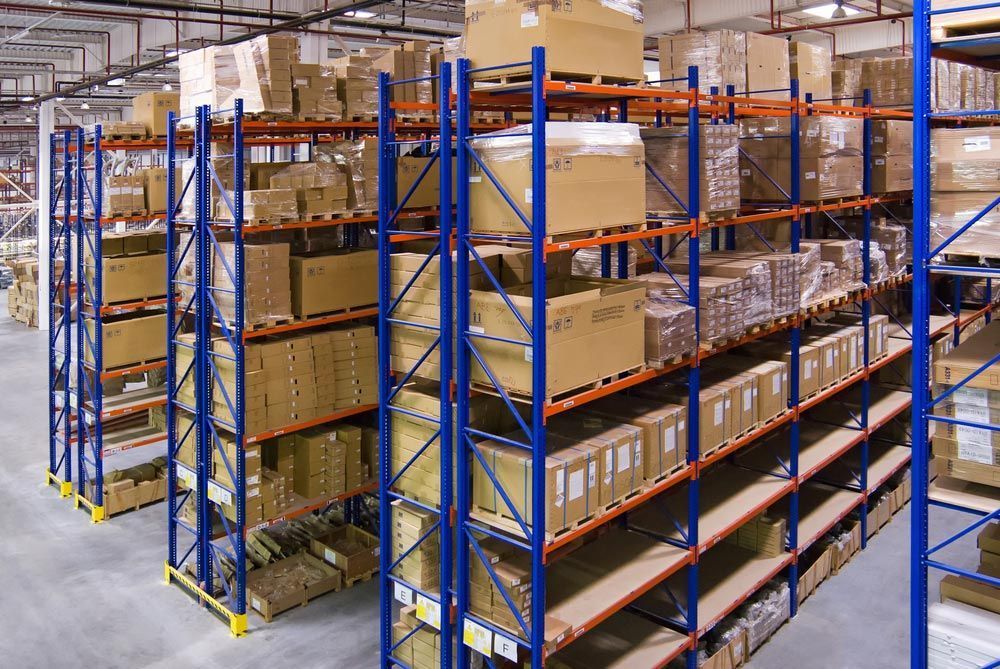
A competent inspector systematically examines the racking installation, looking at both individual components and the way the system is being used.
A typical pallet rack inspection checks:
- Uprights, frames & bracing for damage or deformation
- Beams & beam connections
- Locking devices & safety pins
- Baseplates & floor fixings
- Rack protection
- Load signage & safe working loads
- Evidence of overloading
- Missing or incompatible components
- Alterations to the original configuration.
The inspector then records identified defects and determines the level of attention they require.
For example, warehouse staff might notice a small bend in an upright after a forklift impact. A formal inspection may reveal associated damage to the bracing or baseplate that makes the issue more significant than it first appeared.
That detailed assessment is what separates an audit from a quick visual check.
How is a Pallet Racking Audit Different from a Routine Check?
Warehouse employees should regularly look for obvious damage and report forklift impacts, missing components or other problems immediately. These internal checks are an important part of managing racking safety.
A formal audit goes further. A competent person systematically assesses the installation against applicable requirements and records the findings.
Some defects require technical knowledge to assess correctly. Minor deformation, altered rack configurations and incompatible replacement components, for example, may not look serious to someone conducting an everyday warehouse check.
How Often Should Pallet Racking Be Inspected?
If you're wondering how often should pallet racking be inspected, Queensland guidance recommends frequent checks for damage and overloading, with racking inspected at least annually for integrity.
The annual inspection is a baseline rather than a reason to delay action. Arrange an additional assessment when necessary after:
- Significant forklift impacts
- Visible structural damage
- Changes to beam positions or rack configurations
- Changes to storage loads
- Replacement or modification of components.
Damage identified between scheduled audits should be reported and addressed rather than left until the next annual inspection.
What is the Australian Standard for Pallet Racking?
The current Australian Standard is AS 4084:2023 – Steel storage racking. The standard addresses both racking design and its ongoing operation and maintenance.
For facility managers, the operational requirements matter because rack condition changes over time. Forklift impacts, modifications, loading practices and replacement components can all affect an installation after it has been commissioned.
The current framework places importance on competent inspection and appropriate management of racking throughout its working life. This is why a proper audit should result in documented findings and actions, not simply a verbal statement that the racks appear acceptable.
What are the Pallet Racking Inspection Requirements in QLD?
The pallet racking inspection requirements QLD businesses need to consider include applicable workplace safety requirements, manufacturer instructions and the relevant Australian Standard.
WorkSafe Queensland guidance recommends frequent inspection for damage and overloading and an integrity inspection at least annually.
In practical terms, warehouse and facility managers should have a process for identifying damage, reporting incidents, arranging inspections, completing necessary corrective work and retaining relevant records.
For businesses in the capital, Australian Asset Compliance also provides pallet racking inspections Brisbane warehouses can use to identify damage and understand the actions required following an audit.
Does Pallet Racking Need to Be Certified in QLD?
‘Certification’ and ‘inspection’ are sometimes used interchangeably, but they are not necessarily the same thing.
For an operating warehouse, the priority is ensuring the racking remains safe, appropriately maintained and inspected in accordance with applicable requirements. A formal inspection provides a documented assessment of the condition observed at that time and identifies required actions.
An inspection report does not guarantee the rack will remain safe indefinitely. If a forklift damages an upright the following week, that new damage still needs to be reported and assessed.
Questions involving structural design, load capacity or significant modifications may also require additional engineering assessment.
What Does a Pallet Rack Inspector Actually Check?
Inspectors look beyond obvious collision damage.
Uprights and lower frames receive particular attention because they are exposed to forklift impacts. Beams are checked for deformation, connection problems and missing locking devices, while bracing is examined for damage that could affect the frame.
Baseplates and floor fixings are also checked, along with rack protection where installed.
Load signage is another important part of the inspection. Staff need clear information about the loads and configuration the racking is designed to accommodate. Changing beam positions or modifying the system can create problems if those changes do not match the rack's approved configuration.
What Will the Pallet Racking Audit Report Tell You?
A useful audit report turns inspection findings into actions.
It should identify:
- what racking was inspected
- where defects were found
- The nature of those defects
- The level of attention required
- Recommended corrective actions.
This helps managers distinguish between areas that can continue operating normally, issues requiring monitoring or repair and defects requiring urgent attention.
Keep inspection reports alongside repair and maintenance records. A clear history helps demonstrate how identified issues have been managed and provides useful information for future inspections.
Record keeping matters across other areas of facility compliance too. See our guide to height safety compliance in Brisbane: who is responsible and what records you need for a related example.
How Should You Prepare for a Pallet Racking Audit?
Preparation should focus on giving the inspector useful information, not making the warehouse appear perfect.
Gather previous inspection reports, repair records and available rack documentation. Tell the inspector about known forklift impacts, configuration changes or recurring damage and provide reasonable access to the racking where possible.
Do not hide known defects. Identifying problems is the purpose of the audit.
What Should You Do After the Audit?
Review the report and prioritise the recommended actions. Address urgent concerns promptly, schedule required repairs or monitoring and retain evidence of completed work.
Also look for patterns. Repeated damage to the same frame may indicate an underlying issue with forklift movements, aisle clearance or rack protection that needs attention.
The main takeaway is simple: a pallet racking audit gives Queensland facility managers a structured, documented assessment that routine checks alone cannot provide. It identifies defects, establishes priorities and gives you a clear basis for managing corrective work.
If your annual inspection is approaching, Australian Asset Compliance provides pallet racking inspections across Queensland, including Brisbane and regional areas. Contact our team to arrange an inspection and receive a clear report outlining the condition of your racking and any actions required.
Frequently Asked Questions
How often does pallet racking need to be inspected?
Racking should be checked frequently for damage and overloading, with a formal integrity inspection conducted at least annually. Do not wait for the annual audit if significant damage occurs in the meantime.
What is the Australian Standard for pallet racking?
The current Australian Standard is AS 4084:2023 – Steel storage racking. It covers requirements relating to racking design, operation and maintenance.
Does pallet racking need to be certified in QLD?
Businesses should focus on meeting applicable inspection, maintenance and workplace safety requirements rather than treating ‘certification’ as a catch-all term. Formal inspections provide documented findings and recommended corrective actions.
Who should conduct a pallet racking audit?
A competent person with appropriate knowledge and skills should conduct the formal inspection. Routine checks by warehouse staff remain important but serve a different purpose.
What happens if damaged racking is found?
The inspector records the defect and identifies the required action. Depending on its severity, this may involve monitoring, repair, replacement or restricting use until the issue is addressed.
By Australian Asset Compliance
•
September 7, 2026
Get height safety compliance right in Brisbane with Australian Asset Compliance. Know who is responsible and which records to keep. Contact us today.