Pallet Racking Brisbane
Australian Asset Compliance helps Brisbane businesses with pallet racking Brisbane inspections, simplifying compliance with clear, reliable reporting.
High-Quality Service
Time & Cost Savings
Committed to Safety
Get a Quote
Thank you for contacting Australian Asset Compliance.
We will get back to you as soon as possible.
Oops, there was an error sending your message.
Please try again later.
Please try again later.
Pallet Racking Brisbane: Keeping Storage Systems Safe & Compliant
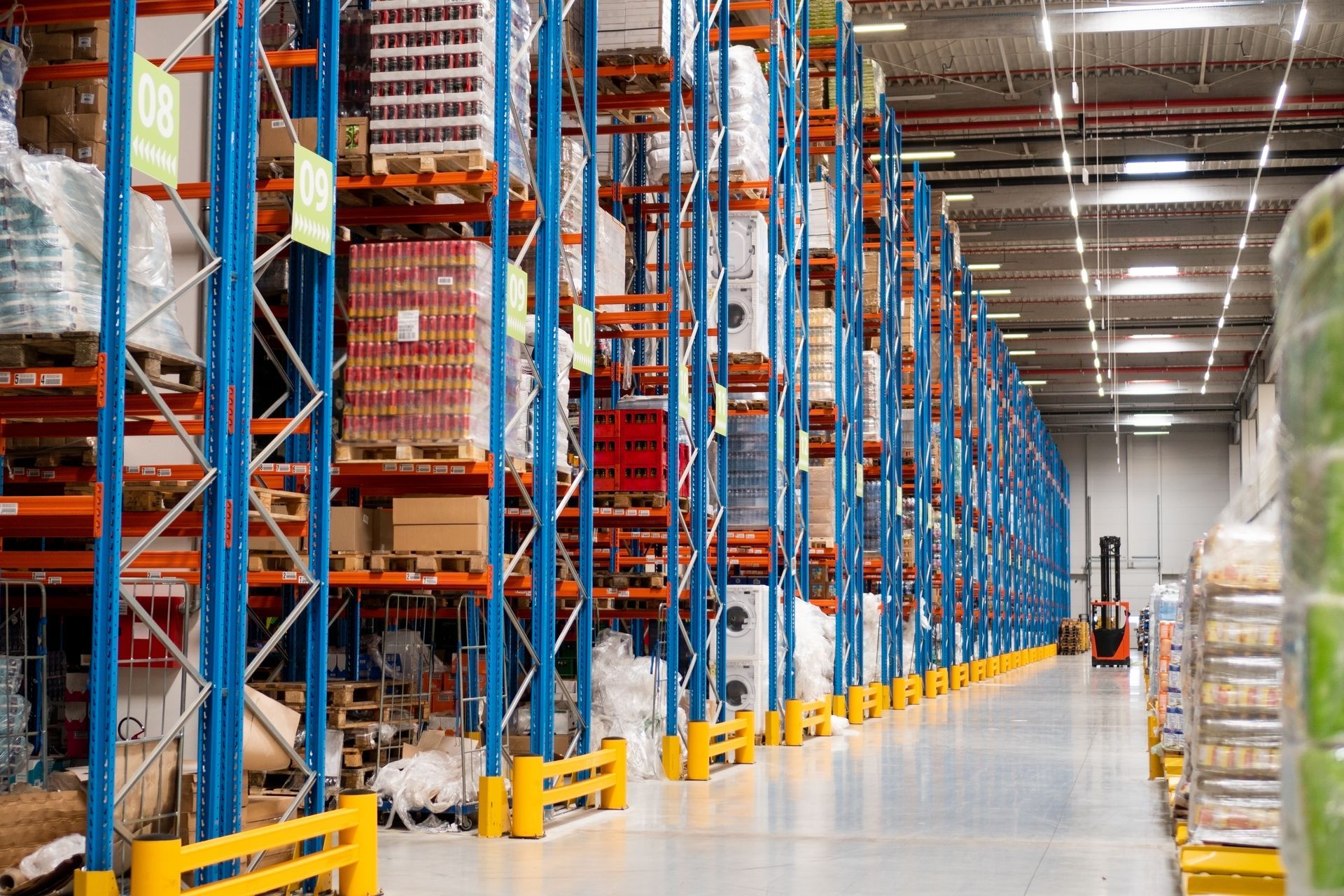
Australian Asset Compliance delivers comprehensive pallet racking Brisbane services, supporting warehouses, retail outlets and distribution centres with certified reporting and practical, standards-based solutions. Our pallet racking inspection Brisbane process is carried out in line with AS 4084 requirements, checking for damage, misalignment, overloading and wear that could create serious safety risks if left unmanaged.
Every pallet racking inspection Brisbane audit is conducted by trained, qualified inspectors following recognised Australian safety standards, ensuring hazards are identified early and assessed against clear compliance benchmarks. We compile detailed pallet racking Brisbane reports that outline audit findings, current compliance status and any corrective actions required, giving managers a reliable, certification-ready record to support ongoing safety obligations. For businesses operating multiple sites, our pallet racking Brisbane services provide consistent, standards-based inspections that simplify scheduling, reporting and audit trails across every location.
Don’t take chances with warehouse safety. Call 1800 870 081 to arrange professional pallet racking Brisbane inspections and keep your workplace compliant and efficient.

What a Pallet Racking Audit Covers
A pallet racking audit isn't a quick once-over — it's a structured process that takes your racking system from inspection through to a certification-ready outcome.
Step 1: On-site inspection. A qualified inspector examines every rack for structural damage, bent or twisted uprights, loose or missing bolts, forklift impact damage, and signs of overloading. Rack spacing, anchoring and overall alignment are checked to confirm the system is still structurally sound.
Step 2: Assessment against load ratings. Each bay is checked against its rated load capacity to confirm it isn't being pushed beyond what it was designed to hold — a common and easily overlooked risk as storage needs change over time.
Step 3: Detailed reporting. Findings are compiled into a clear pallet racking audit report, documenting current compliance status, any damage or hazards identified, and photographic evidence where relevant, so managers have a practical, easy-to-follow record rather than a wall of technical jargon.
Step 4: Corrective action guidance. Where issues are found, the report sets out recommended corrective actions — whether that's a straightforward repair, load re-rating, or component replacement — so the path back to compliance is clear.
Step 5: Racking certification. Once any required corrective actions are addressed, your system is confirmed as compliant, giving you a certification-ready record for the next 12 months and supporting your obligations under work health and safety law.
This full audit → report → certification pipeline is what separates a proper pallet racking audit from a quick visual check — and it's exactly what a genuine racking inspection Brisbane businesses rely on should deliver.
Australian Standards for Pallet Racking (AS4084)
Pallet racking in Australia is governed by AS 4084, the Australian Standard covering the design, installation and safe operation of steel storage racking. In plain English, AS 4084 sets out the pallet racking requirements that determine how racking should be engineered, how it must be installed (including tolerances for plumb, alignment and anchoring), and how load ratings are calculated and displayed.
For businesses, the practical implication is straightforward: racking that isn't installed within AS 4084's tolerances, or that's been loaded beyond its rated capacity, falls outside the pallet racking australian standards businesses are expected to meet — and that's precisely what a compliance audit is designed to catch.
Since the standard was updated in 2023, all operational selective pallet racking is required to be inspected annually by a competent third party, making regular auditing a genuine legal expectation rather than a "nice to have."


Weight Capacity & Load Limits
Weight capacity is one of the most common areas of confusion for warehouse and storage operators, largely because standard pallet racking weight capacity varies significantly depending on the specific system, beam length, upright configuration and manufacturer specifications. There's no single "standard" figure that applies across every racking system — a bay rated for one load in one configuration may be rated quite differently in another.
This is exactly why guessing at safe load limits, or relying on outdated signage, is a genuine safety risk. An inspection confirms your actual safe load rating for each specific bay and configuration, rather than leaving it to assumption — giving you a clear, documented capacity figure to work from, and confidence that your team is operating within it.
Why Choose Us For Pallet Racking?
Choosing the right provider for pallet racking Brisbane inspections makes a genuine difference to safety and efficiency. Here's why Brisbane businesses trust us:
- Specialised Expertise — Our inspectors know pallet racking systems inside out, identifying damage, misalignment or overloading before they become major risks.
- Clear, Transparent Reporting — Every inspection includes a practical report that explains compliance levels, flags issues, and recommends corrective action in plain language.
- Consistent, Reliable Scheduling — We provide reminders and regular inspection schedules so you never miss a compliance deadline.
- Time and Cost Efficiency — Consolidating inspections with one provider streamlines administration and cuts down on multiple contractors.
- Tailored Solutions for Industry Needs — Inspections are adapted for warehouses, retail spaces and distribution centres, so reports stay relevant and actionable.
With these benefits, pallet racking near me searches lead Brisbane businesses to a provider that makes compliance easier to manage, safer for staff, and more reliable long-term.

Frequently Asked Questions

How often should pallet racks be inspected?
Pallet racks should be inspected at least once a year, but frequency often depends on usage, load weight and environment. High-traffic warehouses or facilities with heavy loads may require inspections every six months or even quarterly. Regular checks help identify damage, overloading or misalignment early, reducing the risk of collapse. Consistent inspections also demonstrate compliance with safety regulations and provide documented evidence during audits, helping businesses maintain safe, reliable storage systems while protecting staff from preventable hazards.
What is checked during a pallet rack inspection?
A pallet rack inspection looks for structural damage, bent uprights, loose bolts, overloaded beams and signs of impact from forklifts. Inspectors also check spacing, anchoring and rack alignment to confirm stability. Load ratings are reviewed to ensure racks are not exceeding their limits. Inspections verify that all components meet safety standards, identifying hazards that could cause collapse or injury. The process results in a clear report with recommended corrective actions, giving managers practical guidance for maintaining safe operations.
Why are pallet rack inspections important?
Pallet rack inspections are crucial because damaged or overloaded racking can collapse without warning, leading to serious injuries, product loss and costly downtime. Inspections highlight weaknesses before they become dangerous, allowing for timely repairs or replacements. They also help businesses meet legal and regulatory requirements, reducing liability in case of accidents. By scheduling regular inspections, companies create safer workplaces, extend the life of their storage systems and demonstrate a proactive commitment to employee wellbeing and operational safety.
What does AS4084 require for pallet racking in Australia?
AS 4084 sets the design, installation and load-rating requirements for steel pallet racking in Australia, covering everything from installation tolerances through to how safe working loads are calculated and displayed. Since the 2023 update, it also requires annual inspection by a competent third party to confirm racking remains compliant and safe to use.
What is the weight capacity of standard pallet racking?
Weight capacity varies considerably between racking systems, depending on factors like beam length, upright configuration and manufacturer design — there's no single standard figure that applies across the board. A professional inspection confirms your system's actual safe load rating for each specific configuration, rather than relying on guesswork or outdated signage.
Why Choose Us For Pallet Racking?
Choosing the right provider for pallet racking Brisbane inspections makes a significant difference to safety and efficiency. Here’s why Brisbane businesses trust us:
- Specialised Expertise
Our inspectors understand pallet racking systems in detail, identifying damage, misalignment or overloading before they become major risks. - Clear, Transparent Reporting
Every inspection includes practical reports that explain compliance levels, highlight issues and recommend corrective action in plain language. - Consistent, Reliable Scheduling
We provide reminders and regular inspection schedules so businesses never miss a compliance deadline, reducing stress for managers. - Time and Cost Efficiency
By consolidating inspections with one provider, Brisbane businesses streamline administration, save money and reduce the need for multiple contractors. - Tailored Solutions for Industry Needs
Inspections are adapted to suit warehouses, retail spaces and distribution centres, ensuring reports provide relevant, actionable outcomes.
With these benefits, pallet rack inspections in Brisbane become easier to manage, safer for staff and more reliable for long-term operations.